Demurrage and detention are the charges a shipping line makes when you keep its container too long, inside the port or outside it. On a full container shipment from China they can quickly add up to more than the freight saving you worked for. This guide explains what demurrage and detention are, how free time works, who pays, the usual reasons they happen, how to avoid them and what US rules say about the invoices.
Key points
• Demurrage is charged when a full container stays in the port terminal after the free time ends.
• Detention is charged when you keep the container outside the port too long, until the empty is returned.
• Free time and daily rates differ by shipping line, port and contract, and the rate usually rises the longer the container is kept.
• Demurrage and detention mainly affect FCL. LCL cargo is unpacked at a warehouse, where storage charges can apply instead.
• Most cases are caused by late documents, customs holds or delivery that is not booked in time, so planning before the ship arrives is the best protection.
What Is Demurrage?
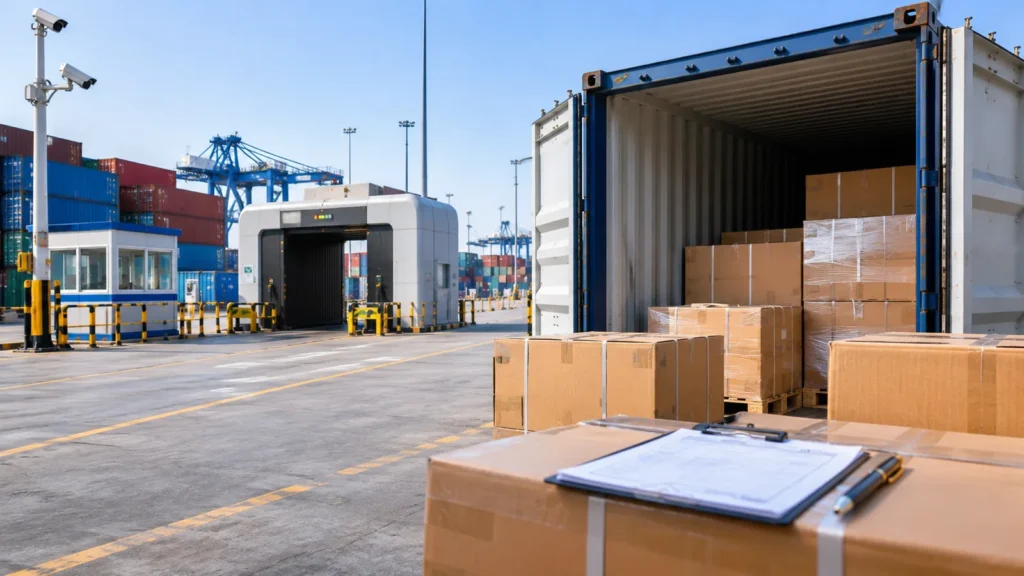
Demurrage is a charge for using the shipping line’s container inside the port terminal beyond the free time. The clock starts when the container is discharged from the ship. If it is not picked up before the free days run out, the shipping line charges for every extra day until the full container leaves the terminal.
The terminal may also charge its own storage for the same days. In practice both appear on your bill as the cost of a container left waiting at the port.
What Is Detention?
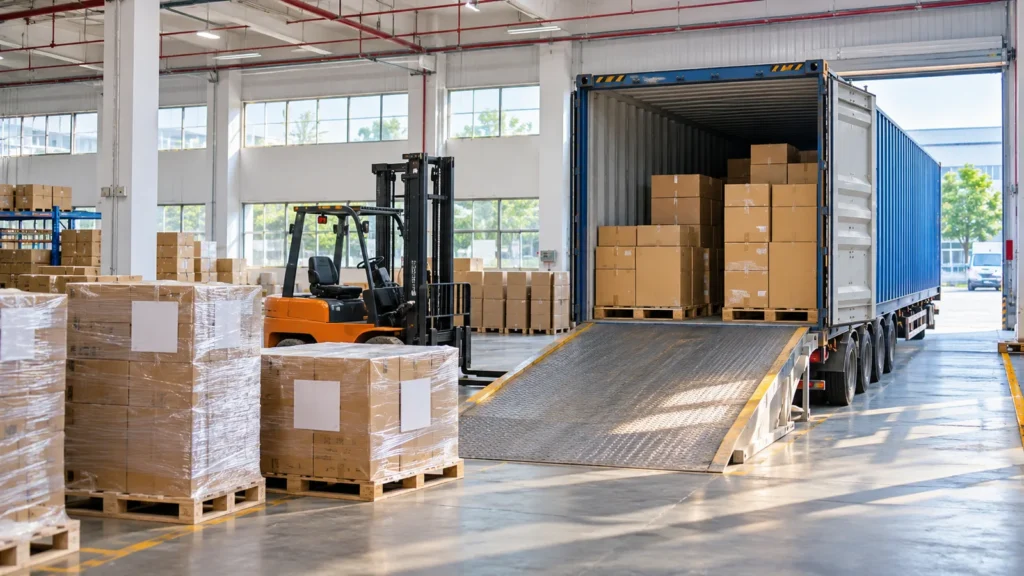
Detention is a charge for keeping the container outside the port for too long. It runs from the time the full container is picked up from the terminal until the empty is returned to the depot named by the shipping line. If your warehouse cannot unload the same day, or the empty return is late, detention starts once its free time ends.
Some shipping lines combine the two into one free-time period that covers both inside and outside the port, often called combined or merged demurrage and detention. Check which applies to your shipment.
Demurrage vs Detention
| Demurrage | Detention | |
|---|---|---|
| Where the container is | Inside the port terminal, full | Outside the port, at your warehouse or on the road |
| Clock starts | When the container is discharged | When the full container leaves the terminal |
| Clock stops | When the full container is picked up | When the empty is returned |
| Usual causes | Late documents or release, customs holds, no trucking booked | Slow unloading, warehouse closed, late empty return |
| Charged by | Shipping line (terminal storage may be added) | Shipping line |
Where demurrage and detention start and stop
Simplified. Under combined free time, one free period covers both port and outside days.
Free Time and How Charges Add Up
Every shipping line publishes free time and daily rates in its tariff, and large shippers negotiate their own in their contracts. Free time differs by line, port, container type and season. After it ends, the rate usually goes up in steps: a lower daily rate for the first few days, then a higher rate after that. Reefer and special containers cost more than standard dry containers.
Example (for illustration only). A 40ft container is discharged on day 1 and the free time is a set number of days. Customs releases the goods three days after the free time has ended, so the shipping line charges three days of demurrage at the first-tier rate. The container then reaches a warehouse that unloads it the same day, and the empty is back within its outside free time, so there is no detention. Had the warehouse been fully booked for a week, detention would have started on top.
Ask for the free time when you compare quotes, not only the freight. A slightly higher rate with more free time can be cheaper than a low rate with very few free days.
Related Charges and Terms
Invoices and quotes use several names for container-time charges. Here is what they usually mean:
| Term | What it usually means |
|---|---|
| Demurrage | Shipping line charge for a full container kept in the terminal after free time |
| Detention | Shipping line charge for a container kept outside the terminal after free time |
| Per diem | The common US name for detention, charged per day |
| Combined (merged) D&D | One free-time period covering both demurrage and detention |
| Port or terminal storage | The terminal’s own charge for storing the container, separate from the shipping line’s demurrage |
| Quay rent | A UK term for port storage charges |
| Chassis charges | In the USA, a daily charge for the trailer the container sits on, separate from detention |
| Warehouse storage | For LCL, charged by the CFS warehouse when cargo is not collected in time |
Who Pays Demurrage and Detention?
At the destination, demurrage and detention are normally paid by the party that takes delivery of the goods, which is usually the importer. Your Incoterm decides who that is:
- EXW, FOB, CFR, CIF, DAP: the buyer clears customs and takes delivery, so the buyer pays destination demurrage and detention.
- DDP: the seller, or the forwarder delivering duty paid, handles clearance and delivery, so these charges are part of its price and its risk unless the contract says otherwise.
At origin, if a container is collected for loading and kept too long before it goes back to the terminal, detention can also apply on the export side, and is usually for the shipper’s account. See Incoterms 2020 explained.
Why Demurrage and Detention Happen
- Late documents. The bill of lading has not been released, the supplier has not done the telex release, or the commercial invoice and packing list are missing. See bill of lading explained.
- Customs holds and inspections. An exam can take days, and the clock keeps running.
- Missing US filings. A late ISF or no customs bond can delay release in the USA. See importing from China to the USA.
- No delivery appointment. Trucking or a warehouse slot was not booked before the ship arrived. Amazon FBA appointments in particular need planning.
- Port congestion or chassis shortages. Sometimes outside your control, but they make good planning more important.
- Slow unloading and late empty return. A container left at the warehouse over a weekend can run into detention.
How to Avoid Demurrage and Detention
- Prepare documents before the ship arrives. Pay the supplier’s balance in time for the telex release, and send the invoice and packing list to your customs broker early.
- Clear customs before arrival where possible. Many countries allow customs entries to be filed before the goods arrive.
- Know your free time. Ask for it in the quote and note the last free day for every container.
- Book trucking and the warehouse slot in advance, and confirm the warehouse can unload on the day of delivery.
- Return empties quickly to the depot the shipping line names.
- Consider LCL for small volumes. If you cannot unload a full container quickly, a shared container avoids container charges, although warehouse storage can apply. See LCL vs FCL.
Countdown: What to Do Before Your Container Arrives
| When | What to do |
|---|---|
| Before the ship sails | Confirm the free time for the container and the type of bill of lading. For the USA, make sure the ISF has been filed. |
| 2–3 weeks before arrival | Pay the supplier’s balance so the bill of lading can be released. Send the invoice and packing list to your customs broker. |
| 1–2 weeks before arrival | Customs entry prepared or filed in advance where allowed. Book trucking and the warehouse delivery slot. |
| On arrival | Check that customs has released the container and the shipping line has issued the delivery order. Note the last free day. |
| Delivery day | Unload the same day where possible. |
| After unloading | Return the empty to the named depot before outside free time ends; keep the return receipt. |
US Rules on Demurrage and Detention Invoices
In the USA, the Federal Maritime Commission (FMC) sets rules for demurrage and detention billing, in force since May 28, 2024. In summary:
- Invoices can go only to the person who contracted for the transport or storage, or to the consignee.
- Shipping lines and terminals must issue the invoice within 30 days of the last day the charge applied. An NVOCC passing on such a charge has 30 days from receiving the carrier’s invoice.
- The invoice must include set information, such as the bill of lading and container numbers, the free time, the rate and how the charge was calculated, and how to dispute it.
- The billed party has at least 30 days to dispute the charge, and the billing party must try to resolve the dispute within 30 days.
- If the invoice is late or leaves out required information, the billed party does not have to pay it.
How to check or dispute a charge
- Ask for the invoice with the container number, free time, dates and daily rate.
- Compare the dates with the discharge, pickup and empty-return records.
- Check whether the delay was caused by the carrier or terminal, for example a closed terminal or no appointment available.
- Dispute in writing within the time allowed, with your evidence.
This is a summary, not legal advice. For a specific dispute, see the FMC’s guidance or ask your customs broker.
How JIEYI Helps You Avoid Extra Port Charges
We are a freight forwarder in Dongguan shipping FCL and LCL from China. Before the container sails we confirm the documents, help arrange the telex release and keep you and your customs broker updated on arrival, so the goods can be released and delivered within the free time. Free time differs by shipping line and port, so ask us about it for your route when you request a quote. With our DDP service, customs clearance and delivery are part of our door-to-door price.
Send us your shipment details to get a quote that includes the free time for your container.
Demurrage and Detention: FAQ
What is the difference between demurrage and detention?
Demurrage is charged while the full container stays in the port terminal after the free time. Detention is charged while the container is outside the port, until the empty is returned, after its free time.
How are demurrage charges calculated?
Number of days after the free time × the daily rate in the shipping line’s tariff or your contract. Rates usually rise in steps the longer the container is kept.
Who pays demurrage, the buyer or the seller?
At the destination it is usually the importer who takes delivery. Under DDP it is normally the seller or its forwarder, as part of the delivered price.
Can demurrage charges be waived?
Sometimes, for example when the delay was caused by the carrier or terminal. In the USA, invoices that do not follow FMC rules do not have to be paid. Otherwise you can ask, but a waiver is at the shipping line’s discretion.
What is per diem in shipping?
In the USA, per diem usually means detention: the daily charge for keeping a container outside the terminal after its free time.
How many free days do I get for a container?
It depends on the shipping line, port, container type and contract. Ask for the free time in the quote and plan delivery around the last free day.
Do I pay demurrage on LCL shipments?
Not normally, because you do not use a container of your own. LCL cargo is unpacked at a warehouse, which charges storage if you do not collect it within its free days.
Checked on November 4, 2026. Free time and rates depend on the shipping line, port and contract; the US rules are summarised from the FMC’s final rule on demurrage and detention billing. This guide is general information, not legal advice. Ask us about free time for your next container.
 Scan to add us on WeChat
 WhatsApp +86 152 1895 5440