China to Canada shipping time is about 25–35 days door to door by sea to British Columbia and 35–45 days to Ontario and Quebec in a full container. Shared (LCL) cargo takes about 5–7 days longer, air freight takes 6–9 days and express courier 4–7 days. Below we show where those days go, how the route changes by province, what delays deliveries most often and how to plan an order so the stock arrives on time.
Key points
• Canada is wide, so your province matters as much as the shipping mode. The West Coast is fastest. Ontario and Quebec add a long rail leg across the country.
• The voyage is only part of the delivery time. Pickup, export customs, CBSA clearance, rail and the final truck add one to three weeks.
• Shared (LCL) cargo takes about 5–7 days longer than a full container, because it is consolidated in China and unpacked in Canada.
• A Business Number with an import account and a working CARM set-up keep customs from adding days.
China to Canada shipping time at a glance
| Method | Port / airport to port | Door to door | Best for |
|---|---|---|---|
| Sea freight, full container (FCL) | 14–20 days to Vancouver | 25–35 days to BC, 35–45 days to Ontario and Quebec | Full containers, lowest cost per unit |
| Sea freight, shared container (LCL) | As FCL | About 5–7 days longer than FCL | A few pallets or cartons |
| Air freight | 2–4 days | 6–9 days | Launches and urgent restocks, from about 100 kg |
| Express courier | — | 4–7 days | Samples and small parcels |
Door to door means from a ready order at a factory in South China to your address in Canada. For a quote on your own route, see shipping from China to Canada.
Shipping times from China to Canada by province
Almost all Asia–Canada sailings arrive on the West Coast. Where your goods go after the port decides most of the extra time.
| Region | Main gateway | Sea, port to port or rail terminal | Sea, door to door (FCL) |
|---|---|---|---|
| British Columbia | Vancouver, Prince Rupert | 14–20 days | 25–35 days |
| Alberta and the Prairies | Calgary, Edmonton, Winnipeg (rail from the West Coast) | 20–26 days | 30–40 days |
| Ontario | Toronto area (rail from Vancouver or Prince Rupert) | 24–32 days | 35–45 days |
| Quebec and Atlantic Canada | Montreal, Halifax | 30–40 days | 35–45 days, longer for remote areas |
Vancouver or Prince Rupert?
Both ports on the West Coast receive direct sailings from China. Vancouver is the larger port and the usual gateway for British Columbia. Prince Rupert, further north, is closer to Asia by sea and has a direct rail connection to central Canada and the US Midwest, so it can be quicker for some inland deliveries. We compare both for each booking.
British Columbia. Direct sailings to Vancouver or Prince Rupert, then local trucking. This is the fastest and simplest route in Canada.
Alberta and the Prairies. Containers are unloaded on the West Coast and continue by rail to Calgary, Edmonton or Winnipeg, then by truck to your door.
Ontario. The usual route is a West Coast port and a rail service across the country to the Greater Toronto Area. It is normally faster than an all-water sailing to the East Coast.
Quebec and Atlantic Canada. Cargo goes by rail to Montreal, or by sea to Montreal or Halifax on all-water services through the Suez or Panama Canal. All-water takes longer at sea but avoids the rail leg.
China to Canada by ship: FCL vs LCL
Most sea freight to Canada leaves from Shenzhen (Yantian or Shekou), Guangzhou (Nansha), Ningbo or Shanghai. Sailing across the Pacific to Vancouver usually takes about two to three weeks.
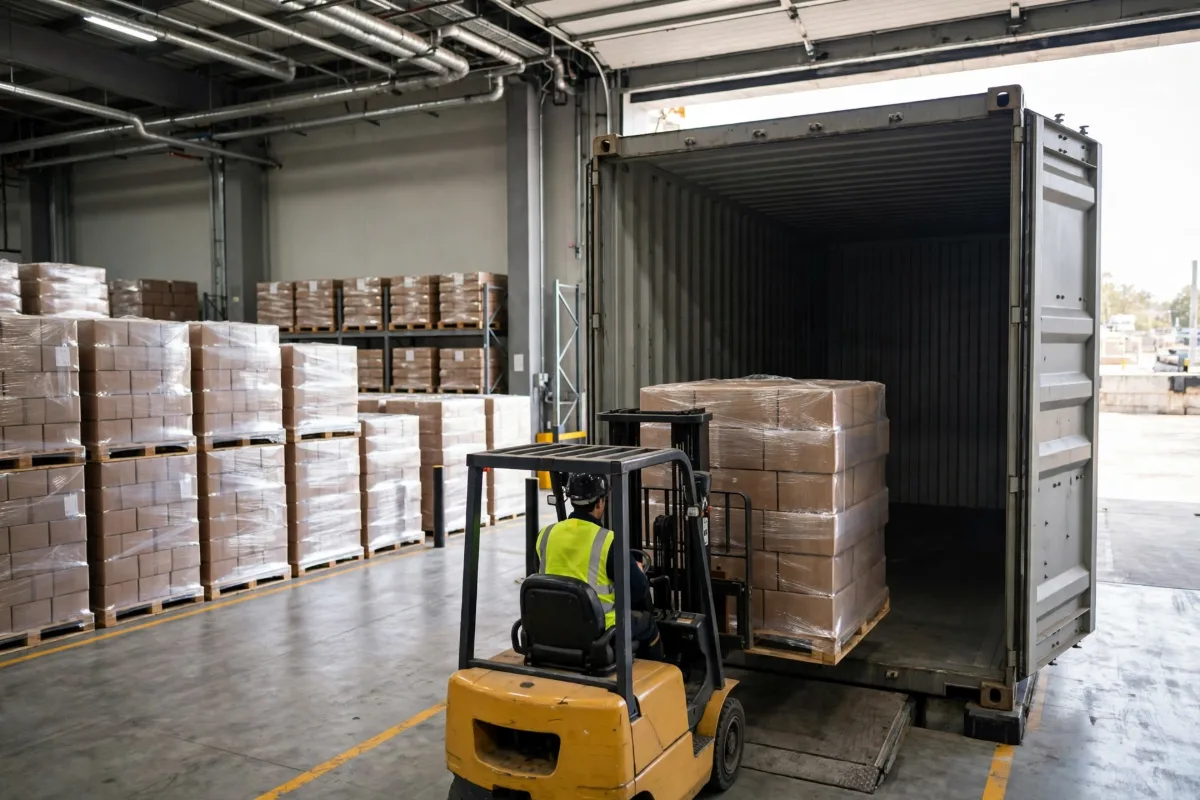
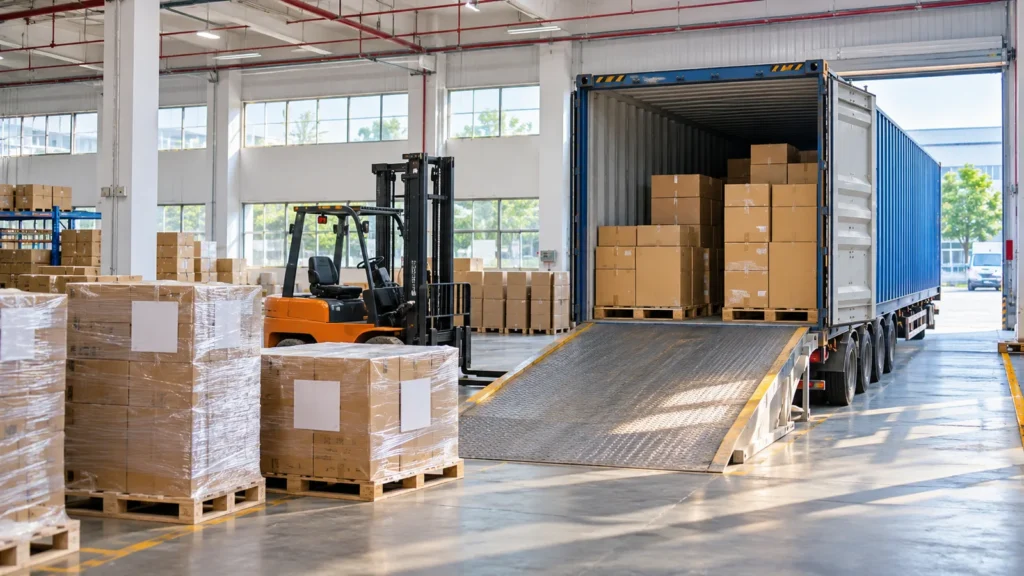
A full container (FCL) is loaded at the factory or our warehouse, sealed and shipped as one unit, so it moves straight from the ship to rail or truck after customs release. A shared container (LCL) waits for other cargo to fill the container in China, then has to be unpacked at a warehouse in Canada before delivery. That is why LCL usually takes 5–7 days longer. If you ship more than about 15 cubic metres, compare LCL with a full container: the container is faster and handled less, and once destination charges are included the price gap can be smaller than the freight rates suggest. Read more about sea freight from China.
LCL door-to-door times by province
| Region | LCL door to door (typical) |
|---|---|
| British Columbia | 30–40 days |
| Alberta and the Prairies | 35–47 days |
| Ontario | 40–52 days |
| Quebec and Atlantic Canada | 40–52 days, longer for remote areas |
LCL for central and eastern Canada is often unpacked in Vancouver or Toronto before final delivery. See LCL shipping from China.
Fastest shipping from China to Canada: air and express
Air freight flies to Vancouver, Toronto, Calgary or Montreal and takes about 6–9 days door to door. The flight itself is short; booking, export clearance, CBSA clearance and delivery take most of the time. It suits launches, seasonal goods and urgent restocks from about 100 kg. See air freight from China.
Express courier takes about 4–7 days and is the simplest option for samples and small parcels. For heavier cartons it gets expensive quickly. See express shipping from China.
If you need the goods sooner than sea freight but air is too costly, a common plan is to split the order: send a small part by air to keep selling, and the rest by sea.
What door-to-door time includes
A typical full-container shipment to Ontario looks like this:
| Stage | Typical time |
|---|---|
| Booking, pickup from the supplier and loading | 3–7 days |
| Export customs in China and waiting for the vessel | 2–4 days |
| Sailing to Vancouver or Prince Rupert | 14–20 days |
| CBSA release through CARM | 1–3 days |
| Rail to the Toronto terminal | 6–10 days |
| Truck delivery to your door | 1–3 days |
Delivery to British Columbia skips the rail leg, which is why it is about ten days faster.
What can add days
- Winter in the Rockies. Heavy snow and avalanche closures can slow rail services to central and eastern Canada from about December to March.
- Port and rail congestion. When many containers arrive at once, they can wait at Vancouver for a rail slot.
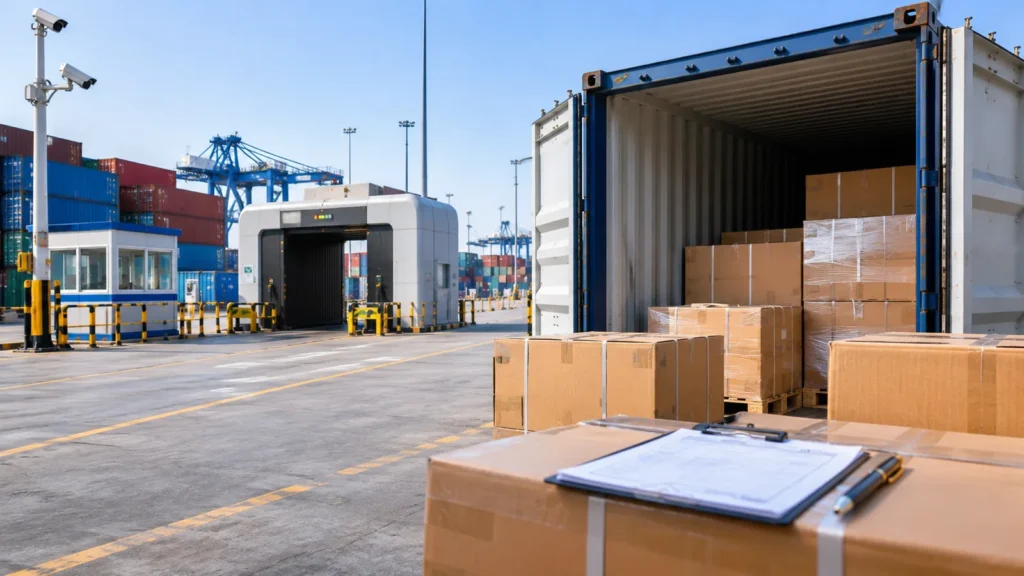
- CBSA exams. A customs inspection can add several days. Clear product descriptions and correct tariff codes lower the risk.
- Importer set-up. Without a Business Number with an import account, CARM registration and release security, goods cannot be released. Sort this out before the ship arrives (see importing from China to Canada).
- Chinese New Year. Factories close for two to four weeks around January or February, and space is tight just before the holiday.
- Peak season. From August to November, ships and rail fill up ahead of the holiday sales, so book earlier.
- Labelling problems. Products for sale in Canada often need English and French labels. Relabelling after arrival costs time, so we check labels in China.
How to get your goods faster
- Book two to three weeks before the goods are ready, and earlier in peak season.
- Have your Business Number, import account and CARM set-up ready, or ship DDP so we clear the goods and pay duties and GST for you.
- Send the commercial invoice and packing list before the ship arrives, with clear descriptions and HS codes.
- Choose the gateway that fits your province. For Ontario, West Coast plus rail is usually faster than all-water.
- Ask for both LCL and full-container prices if you ship more than about 15 cubic metres.
Planning for the holiday season
For stock needed in an Ontario warehouse by early November, work backwards by sea:
| Step | Latest date (FCL) |
|---|---|
| Stock needed in Ontario | Early November |
| Container sails from South China (about 5–6 weeks earlier) | Late September |
| Goods ready and booking confirmed | Mid September, before Golden Week |
| Production starts (check with your supplier) | July to August |
For British Columbia, you can ship about ten days later. In winter, allow extra time for rail delays in the Rockies.
Shipping time to Amazon.ca
Add a few days after delivery for Amazon.ca to receive and check in the stock, and more from October to December. Amazon does not act as importer of record, so the goods must be cleared in the name of an importer with a Canadian Business Number or under a non-resident importer arrangement. We check this before booking and deliver with an appointment. Read about Amazon FBA shipping from China.
China to Canada shipping time: FAQ
How long does shipping from China to Canada take?
Door to door, sea freight usually takes about 25–35 days to British Columbia and 35–45 days to Ontario and Quebec, air freight about 6–9 days and express 4–7 days. We confirm the schedule for each booking.
What is the fastest way to ship from China to Canada?
Express courier, at about 4–7 days, for small parcels. For heavier cargo, air freight at about 6–9 days door to door is the fastest option.
How long does a ship from China to Vancouver take?
The sailing itself is usually about 14–20 days port to port from South China. Allow 25–35 days door to door in British Columbia.
Why does shipping to Toronto take longer than to Vancouver?
Ships arrive on the West Coast, and containers for Ontario then travel about a week by rail across the country. Winter weather in the Rockies can add more.
Do I need a Business Number to import from China into Canada?
Commercial importers need a CRA Business Number with an import-export account and CARM registration. If you do not have them yet, you can ship DDP and we handle clearance, duties and GST for you.
How long does LCL shipping from China to Canada take?
About 30–40 days door to door to British Columbia and 40–52 days to Ontario and Quebec, around 5–7 days longer than a full container.
How long does air freight from China to Toronto take?
About 6–9 days door to door, including export handling, CBSA clearance and delivery.
Shipping to another country? See shipping time from China to the USA and how long shipping from China to the UK takes.
Checked on November 4, 2026. Transit times are typical ranges from South China and can change with schedules, routings, port conditions, weather and holidays. We confirm the schedule for each booking. Need dates for your shipment? Send us your details.
 Scan to add us on WeChat
 WhatsApp +86 152 1895 5440